
The Link in the Chain: Why Responsible Sourcing Depends on the Partner in the Middle
July 30, 2026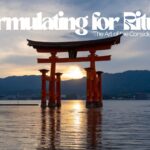
Formulating for Ritual: The Art of the Considered Ritual
August 12, 2026Why Ritual Became the Product
Spend any time working in Asia personal care and you start to notice something about the Japanese market that sets it apart from almost every other major beauty culture. Japan does not treat skincare as a task. It treats it as time.
This is not a lifestyle trend or a marketing angle. It is the operating principle behind one of the most commercially durable beauty philosophies in the world, and in 2026 it is reshaping formulation briefs across Europe, the US, and Asia alike. Brands that once competed on ingredient potency or step efficiency are now asking a different question: can this product make the routine feel like something worth doing?
For those of us working across personal care in this region, that shift is not abstract. It shows up in what sells, what gets reformulated, and what buyers are willing to pay a premium for.
What Mochi-Hada Actually Means for Formulation
Japan's most persistent skin ideal is mochi-hada, a term that translates roughly as rice cake skin and is used to describe skin that looks and feels as soft and plump as a baby's. The characteristics are specific: very soft and smooth to the touch, with a pillowy, bouncy texture that reflects deep, sustained hydration. Skin that has a dewy finish without any greasiness, and is visibly free from dryness, roughness, and fine lines. It is not a dramatic transformation ideal. It is an ideal of sustained, quietly excellent skin health, and achieving it requires consistency, gentleness, and the right ingredients applied over months and years.
What this means for formulation is specific. A product designed to support mochi-hada skin needs to deliver genuine hydration that plumps and cushions rather than simply coating the surface. It needs a texture that communicates softness from first application. It needs to leave skin with that characteristic dewy, lit-from-within finish without any heaviness or shine. And critically, it needs to work consistently over time, because mochi-hada is a long-term skin condition, not an overnight result. This is why Japan's beauty market consistently rewards ingredient authenticity over novelty. Real botanical materials with perceptible sensorial quality outperform synthetic approximations, not because consumers can always identify them chemically, but because they genuinely feel different, and keep feeling different, over weeks and months of daily use.
In 2026, that philosophy is spreading. Following years of K-beauty's rapid trend cycles, a measurable consumer swing back toward J-beauty's slower, more deliberate approach is showing up in retail data and formulation briefs across the industry. The brands leading this movement are not Japanese by necessity. They are J-beauty in philosophy, and they are sourcing ingredients accordingly.
The Ofuro Tradition and What It Opens Up Commercially
The ofuro bath sits at the heart of Japanese ritual beauty culture. It is not a product, but it creates one of the most commercially significant moments in personal care: a consumer who is warm, relaxed, and actively in a state of self-care, engaging with products that are specifically designed to extend that experience.
Bath oils, aromatic body preparations, post-bath serums and body treatments are all growing categories precisely because they allow consumers outside Japan to replicate the ofuro mindset at home. The ingredients that anchor these products need to do more than perform. They need to transport. That means genuine botanical materials with real aromatic character and a provenance story that holds up.
Working in this market, the sourcing question matters enormously. Brands are not asking for 'a woody scent'. They are asking for materials that have cultural roots, that smell the way the philosophy says they should smell, and that come with documentation to match. The days of getting away with a fragrance approximation in a ritual-positioned product are largely over.
The Ingredients That Define the Japanese Ritual in 2026
Warm, Grounding Aromatics
Japan's preferred aromatic register for ceremonial and restorative products is warm, woody, and clean. Sandalwood has been central to Japanese ceremonial culture for over a thousand years and remains the definitive base note for ofuro-register formulations. floviva Sandalwood Oil (Certified Organic) delivers the deep, creamy, meditative warmth that positions a product as genuinely restorative rather than just pleasantly scented.
floviva Frankincense Oil brings ancient resinous warmth alongside documented boswellic acid skin activity, making it one of the few aromatic ingredients that contributes functionally to a formula as well as sensorially. floviva Cedarwood Oil, available in both Certified Organic and 100% Pure & Natural grades, provides the clean forest-woody character that completes the ofuro aromatic palette without requiring geographically restricted Japanese-specific materials.
Calming Florals and Skin Actives
floviva Lavender Oil is the most versatile calming botanical in the ritual personal care repertoire. Barrier-supportive, aromatically consistent with rest and recovery, and available across Certified Organic, 100% Pure & Natural, and floscense grades, it earns its place across almost every step of a J-beauty-inspired routine. For brands seeking a deeper treatment-phase active, floviva Chamomile Oil (Roman and German varieties) provides the anti-inflammatory, barrier-supportive properties that J-beauty's long-term skin health philosophy is built around.
The Carrier Oil Foundation
Japan's double-cleanse ritual demands carrier oils that genuinely replicate the function of traditional Japanese cleansing oils: dissolving oil-based impurities without stripping the skin's natural barrier. floviva Apricot Kernel Oil (Certified Organic, Cold Pressed) has a fatty acid profile closely aligned to skin's natural sebum, making it the most functionally appropriate cleansing carrier in the floviva vegetable oil range. floviva Rosehip Seed Oil completes the picture at the treatment end, contributing omega-3, omega-6, and naturally occurring skin-renewing compounds that support the long-term barrier health J-beauty prioritises.
Featured from the ProTec Botanica Range
floviva Sandalwood Oil | Certified Organic | 100% Pure & Natural
The meditative base note of the ofuro aromatic register. Deep, creamy, and exceptionally long-lasting, floviva Sandalwood Oil grounds bath and body formulations in the warm, ceremonial scent profile that Japanese ritual skincare is built around. Available in both Certified Organic and 100% Pure & Natural grades.
floviva Apricot Kernel Oil | Certified Organic | Cold Pressed | 100% Pure & Natural | Refined
Lightweight, oleic-rich, and closely aligned in fatty acid profile to skin's natural sebum. The ideal base for Japanese double-cleanse oil formulations. Non-comedogenic, rapidly absorbed, and available in COSMOS-certified organic grade for clean-label ritual cleansing products.
floviva Frankincense Oil | Certified Organic | 100% Pure & Natural | 100% Natural
The ceremonial resin at the heart of Japan's ofuro aromatic register. Ancient, meditative warmth combined with documented boswellic acid anti-inflammatory and skin-renewal properties. One of those rare ingredients that earns its place both aromatically and functionally in ritual-positioned personal care.
Enquire: info@protecbotanica.com · +44 (0) 203 761 3002
What This Means If You Are Formulating for This Market
Japan's ritual beauty market, and the global consumer base it is now influencing, does not forgive ingredient vagueness. A product that claims a Japanese ritual positioning needs ingredients with a story, a provenance, and a specification that can be communicated clearly. COSMOS-certified organic materials, named origins, and third-party documentation are not premium add-ons in this category. They are the foundation of a credible claim.
The floviva range from ProTec Botanica is Soil Association organic certified where applicable, ISO 9235 and ISO 16128 aligned, and sourced directly from farmers and co-operatives at origin. For brands building in this space, that is the supply chain specification the market expects.
How ProTec Botanica Supports J-Beauty Formulation
ProTec Botanica works with personal care brands across bath, body, face, and wellness categories developing ritual-positioned formulations. The floviva range covers COSMOS-certified organic and conventionally sourced essential oils, vegetable oils, absolutes, hydrolats, and botanical extracts. To explore the range or start a sourcing conversation, contact info@protecbotanica.com or visit protecbotanica.com.